In the highly regulated and precision-driven pharmaceutical industry, packaging is far more than just a final step—it is a critical component of product integrity, safety, and compliance. Among the various packaging solutions, blister packaging stands out for its effectiveness in protecting individual doses of tablets, capsules, and other solid forms. The machines that create these blisters are sophisticated pieces of engineering, designed to meet the stringent demands of Good Manufacturing Practices (GMP) and ensure patient safety worldwide.
The Critical Role of Blister Packaging in Pharma
Blister packaging involves sealing a product between a thermoformed plastic cavity and a lidding material, typically foil. This method offers superior protection against moisture, oxygen, and contamination compared to traditional bottles. For pharmaceutical companies, this translates into extended shelf life, enhanced product stability, and improved patient adherence through clear, unit-dose presentation. The machinery that produces these packs must operate with unwavering accuracy, consistency, and cleanliness to prevent any compromise in drug efficacy.
Key Features of Modern Pharmaceutical Blister Machines
Today’s advanced blister packaging machines integrate several non-negotiable features for pharmaceutical applications. High-speed servo-driven systems ensure precise forming, filling, and sealing. Machines are constructed with easy-to-clean, stainless-steel surfaces and designed to minimize particulate generation. Advanced vision inspection systems are integrated to perform 100% check-for-presence and print verification, rejecting any defective blisters automatically. Furthermore, comprehensive data logging and traceability functions are built-in to support regulatory compliance and quality audits.
Driving Forces Behind Machine Innovation
The evolution of blister packaging technology is propelled by industry needs. The rise of personalized medicine and clinical trial packaging demands machines with exceptional flexibility for small batch runs. Sustainability pressures are pushing for the use of recyclable mono-material films. Additionally, the global need for cost containment requires machines that maximize output (Overall Equipment Effectiveness – OEE) while minimizing waste and downtime. Manufacturers like Packmate Machinery respond to these challenges by focusing on intelligent, adaptable, and reliable equipment designs.
Ensuring Compliance and Validation
For any pharmaceutical manufacturer, acquiring a blister machine is just the beginning. The path to production involves rigorous Installation Qualification (IQ), Operational Qualification (OQ), and Performance Qualification (PQ). Reputable machinery suppliers provide extensive documentation packages, including detailed machine specifications, wiring diagrams, and maintenance manuals, which are essential for the validation process. Their service teams often assist in protocol execution to ensure the machine performs consistently within its defined operational parameters, a fundamental requirement for FDA, EMA, and other global health authority approvals.
Selecting the Right Machine Partner
Choosing a supplier for pharmaceutical blister packaging equipment is a strategic decision. It requires evaluating not just the machine’s technical specifications, but also the manufacturer’s industry experience, quality management systems, and after-sales support network. A partner with a deep understanding of pharmaceutical processes can offer invaluable guidance on material selection, line integration, and regulatory expectations. Exploring a supplier’s range of packaging solutions can provide insight into their engineering capabilities and commitment to the sector.
The Packmate Advantage in Pharmaceutical Packaging
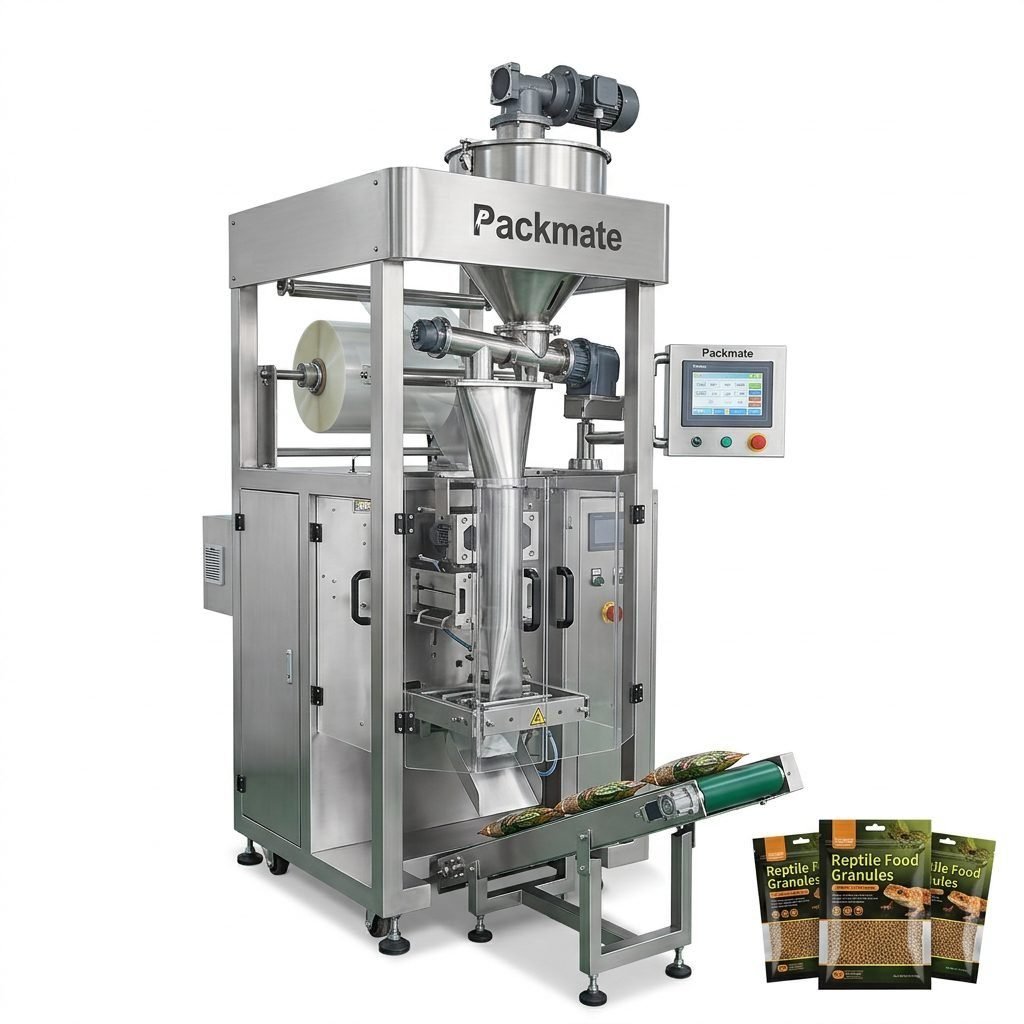
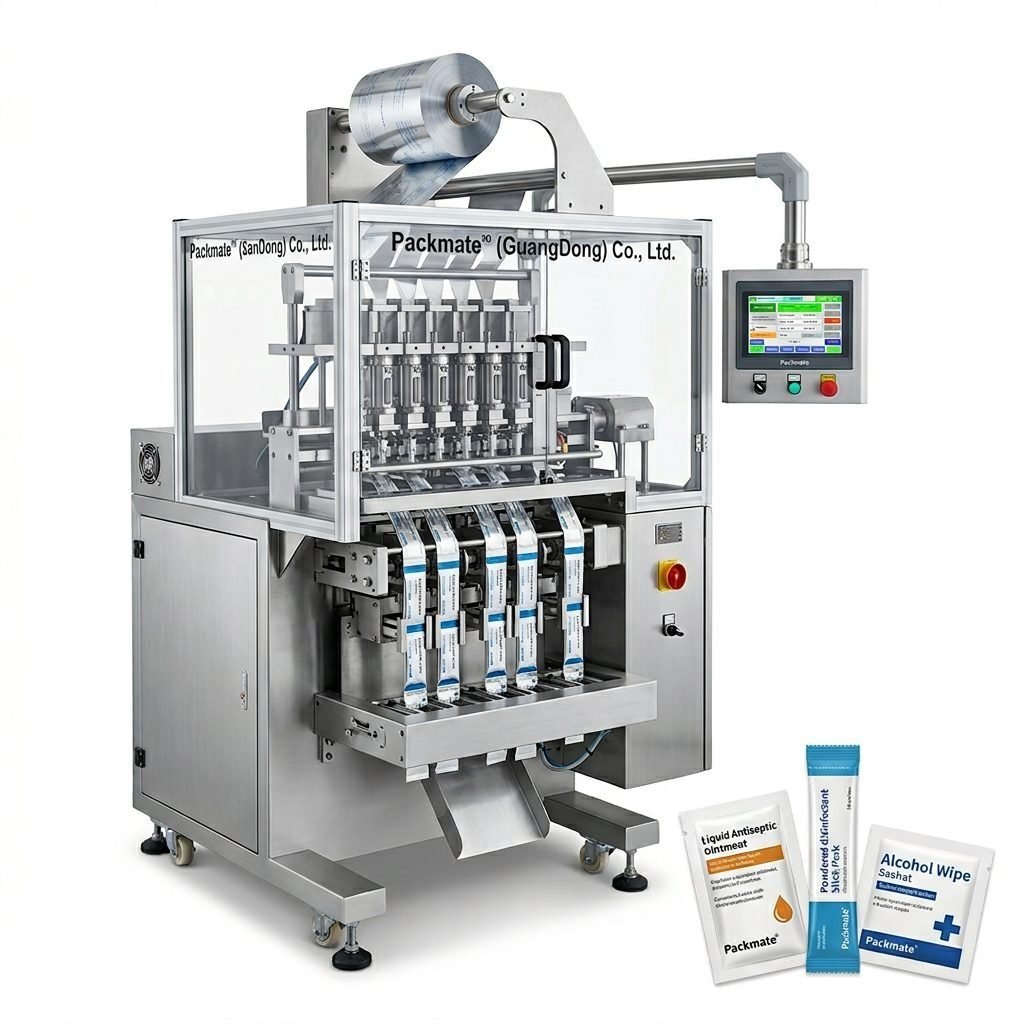
With decades of experience in building precision packaging equipment, Packmate applies its core principles of innovation and reliability to the pharmaceutical field. Operating from a modern 20,000㎡ facility, the company leverages over 30 years of expertise to design machines that meet the high standards of the industry. While renowned for solutions in the food and health sectors, such as sachet and stick pack machines, the same dedication to hygienic design, precision engineering, and robust construction forms the foundation for developing equipment suitable for pharmaceutical applications. Their journey from a small workshop to a leading manufacturer underscores a commitment to turning complex packaging challenges into efficient, turnkey solutions.
Future Trends: Smart Factories and Integration
The future of pharmaceutical blister packaging is inextricably linked to Industry 4.0. The next generation of machines will feature enhanced connectivity for real-time monitoring of production metrics, predictive maintenance alerts, and seamless integration with Manufacturing Execution Systems (MES). This digital transformation enables greater transparency, agility, and quality control across the supply chain. As packaging lines become more interconnected, the role of auxiliary equipment for feeding, cartoning, and serialization becomes even more critical, requiring a holistic approach to line design from partners who offer comprehensive packaging line solutions.
Conclusion
Blister packaging machines are vital assets in the pharmaceutical manufacturing landscape, directly impacting product safety, compliance, and market success. Investing in advanced, reliable, and compliant technology from a trusted partner is not an operational expense but a strategic imperative. As the industry continues to evolve with trends towards personalized medicine and digitalization, the collaboration between pharmaceutical companies and insightful packaging machine manufacturers will remain key to delivering safe, effective, and accessible medicines to patients everywhere.
Frequently Asked Questions (FAQs)
What are the primary GMP requirements for a pharmaceutical blister packaging machine?
GMP requirements mandate that machines are constructed from non-shedding, corrosion-resistant materials (like 304 or 316L stainless steel) with smooth, easy-to-clean surfaces. Design must prevent cross-contamination, and the machine must be capable of validated cleaning processes. It should also provide accurate and reliable performance with documented consistency, supported by a full traceability system for all critical parameters.
How important is machine speed (output) versus flexibility in pharmaceutical blister packaging?
While high speed is desirable for large-volume blockbuster drugs, flexibility is increasingly critical. The growing market for orphan drugs, biologics, and clinical trial batches requires machines that can handle small to medium runs with quick changeovers between different blister sizes and formats. The ideal machine offers a balance, providing high efficiency for large batches without sacrificing the agility needed for smaller, specialized productions.
What kind of after-sales support should I expect from the machine supplier?
Comprehensive support is essential. This includes detailed installation and commissioning assistance, extensive operator and maintenance training programs, readily available spare parts, and access to responsive technical service. For pharmaceutical clients, support also extends to helping with validation documentation and protocols. A global service network is a significant advantage for multinational companies.
Can blister packaging machines handle moisture-sensitive drugs effectively?
Yes, absolutely. This is one of the key advantages of blister packaging. By using high-barrier film and foil materials, blisters create an excellent protective environment. The machines themselves ensure a hermetic seal, which is rigorously tested during the validation process. For extremely sensitive products, machines can be integrated with dry air or nitrogen flushing systems inside the sealing station to displace oxygen and moisture before the final seal is made.
What is the typical lead time for a pharmaceutical-grade blister packaging line?
Lead times can vary significantly based on machine complexity, customization level, and current manufacturer backlog. A standard machine might have a lead time of 4-6 months, while a fully customized, high-speed line with extensive integration and qualification protocols can take 8-12 months or more. Early engagement with the supplier during the planning phase is crucial to establish a realistic project timeline that includes design, manufacturing, testing, delivery, and installation.