In today’s fast-paced manufacturing landscape, efficiency and reliability are paramount. For businesses involved in the production of boxes, whether for shipping, storage, or product presentation, the choice of packaging machinery can make or break operational success. Carton packaging machines, specifically those designed for box production, stand at the core of this process. Selecting the right equipment is not just about speed; it’s about achieving a seamless, cost-effective, and high-quality output that meets market demands.
The Critical Role of Carton Erecting and Sealing Machines
At the heart of efficient box production are carton erecting and sealing machines. These automated systems transform flat corrugated sheets into fully formed, bottom-sealed boxes ready for product insertion. The primary advantage lies in their ability to drastically reduce manual labor, minimize errors, and ensure consistent box construction. For high-volume operations, such as e-commerce fulfillment centers or large-scale consumer goods manufacturers, this automation is non-negotiable. Machines that offer quick changeover between different box sizes add another layer of flexibility, allowing production lines to adapt to varying orders without significant downtime.
Key Features to Prioritize
When evaluating top-tier carton packaging machines, several features stand out. Look for models with robust servo-driven mechanisms for precise movement and control. A user-friendly Human-Machine Interface (HMI) is crucial for operators to monitor performance, adjust settings, and troubleshoot minor issues swiftly. Furthermore, machines constructed with high-grade stainless steel and durable components ensure longevity and reduce maintenance needs, even in demanding 24/7 production environments. Integration capabilities with upstream filling systems and downstream labeling or palletizing units are also vital for creating a cohesive, end-to-end packaging line.
Maximizing Throughput with Automated Case Packers
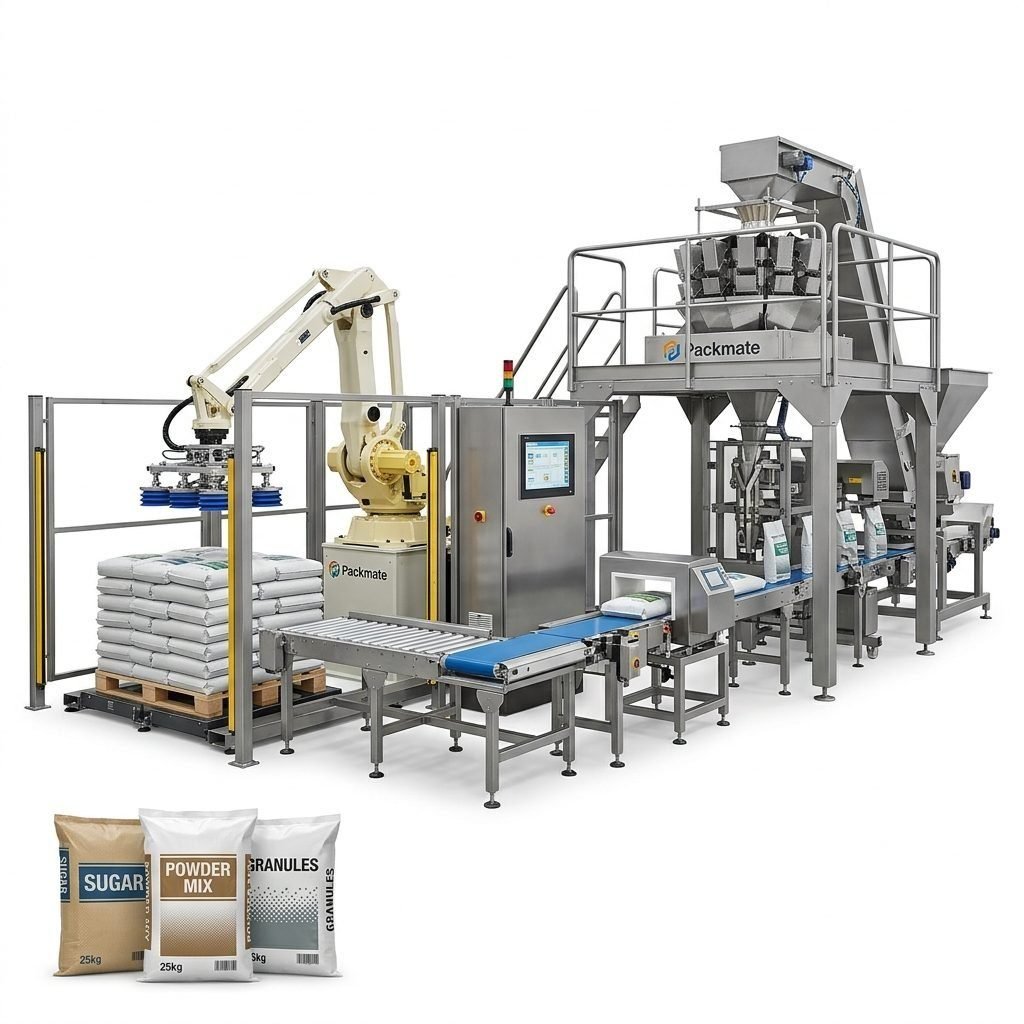
Following box formation, the next critical step is efficiently and safely placing products into the cartons. This is where automated case packers excel. These sophisticated machines can handle a wide array of products—from bottles and cans to pouches and bags—arranging them into predetermined patterns before gently placing them into the waiting boxes. The throughput speed of these systems is a major determinant of overall line efficiency. Advanced models utilize intelligent vision systems or precise robotic arms to handle fragile or irregularly shaped items, ensuring zero damage and perfect placement every time.
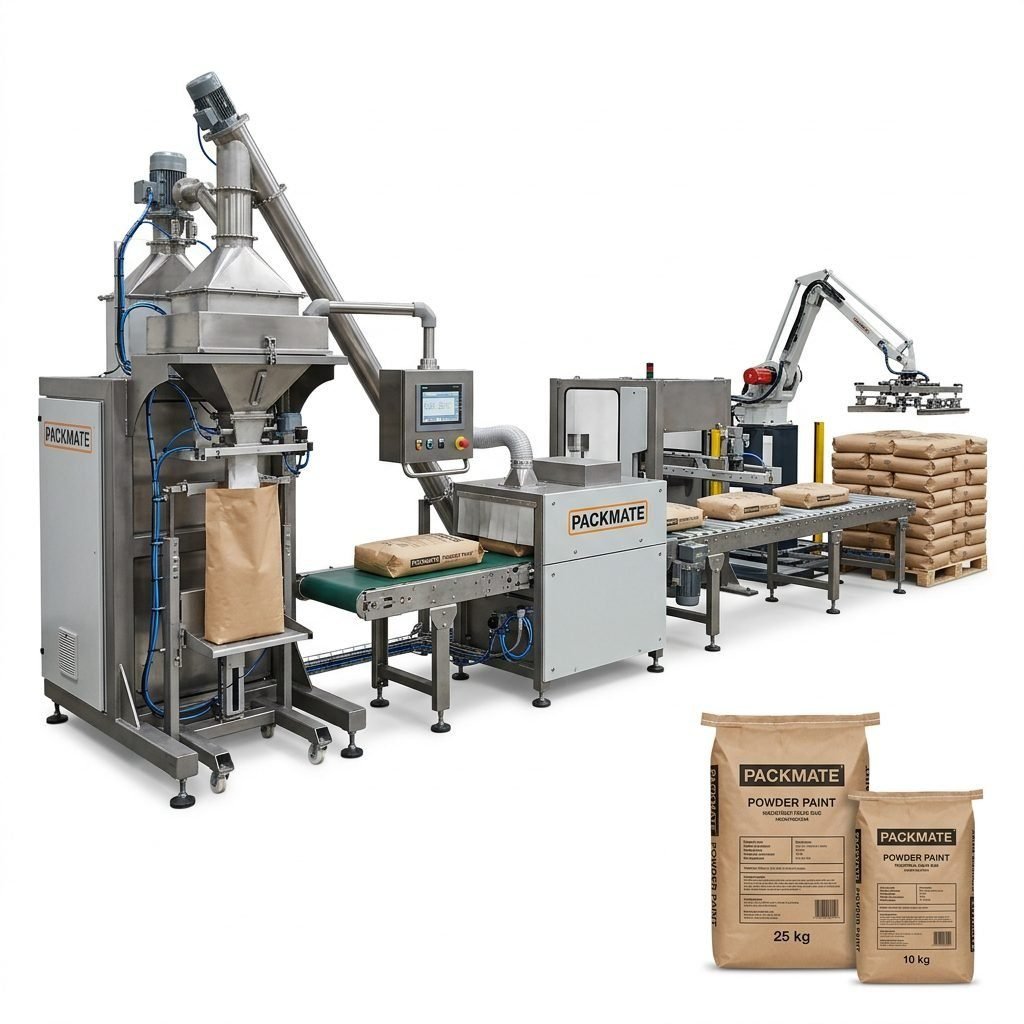
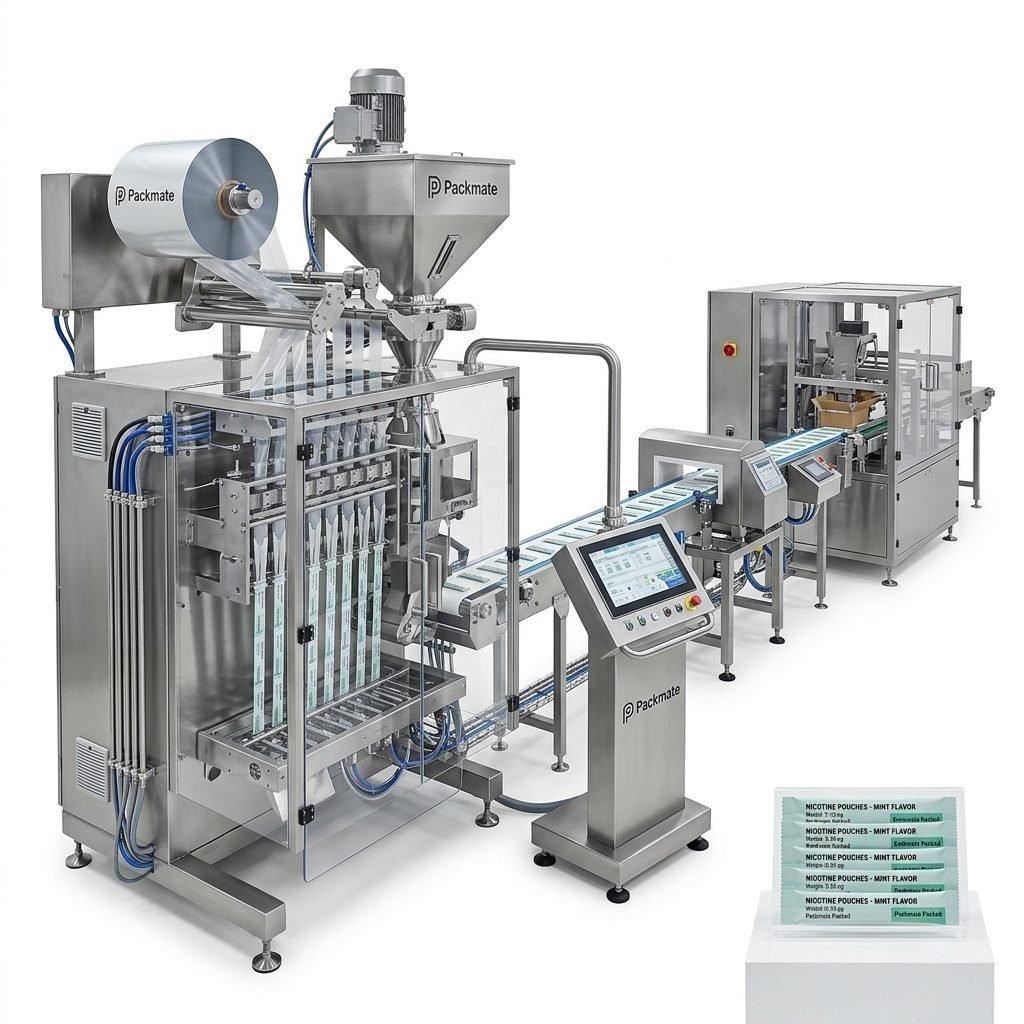
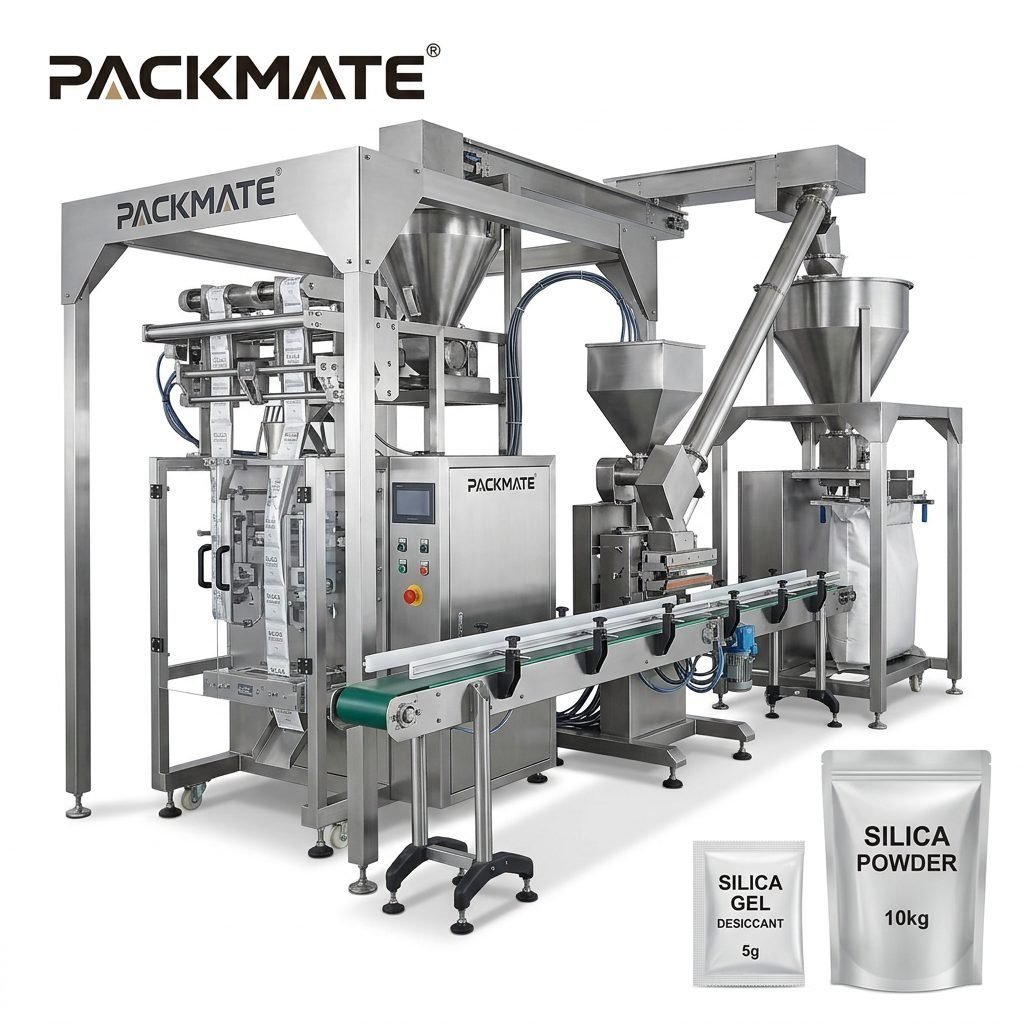
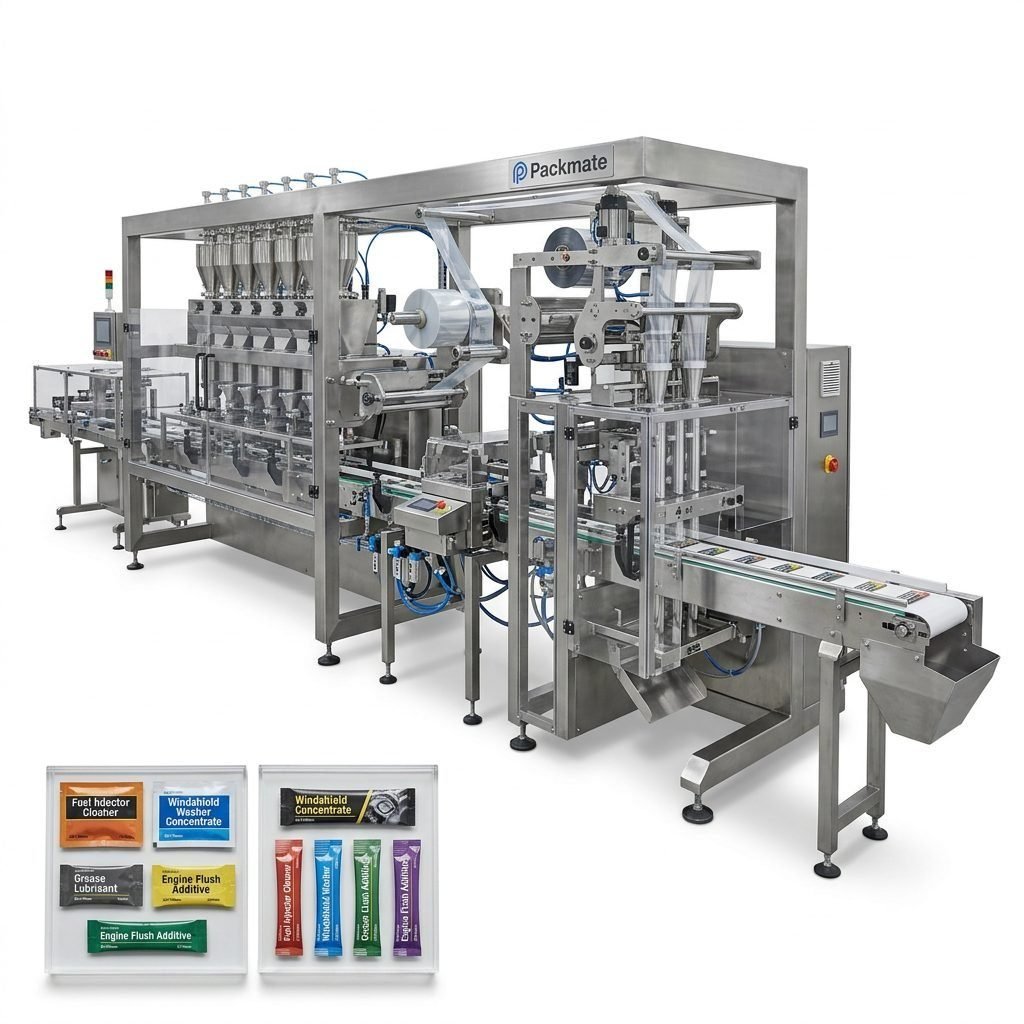
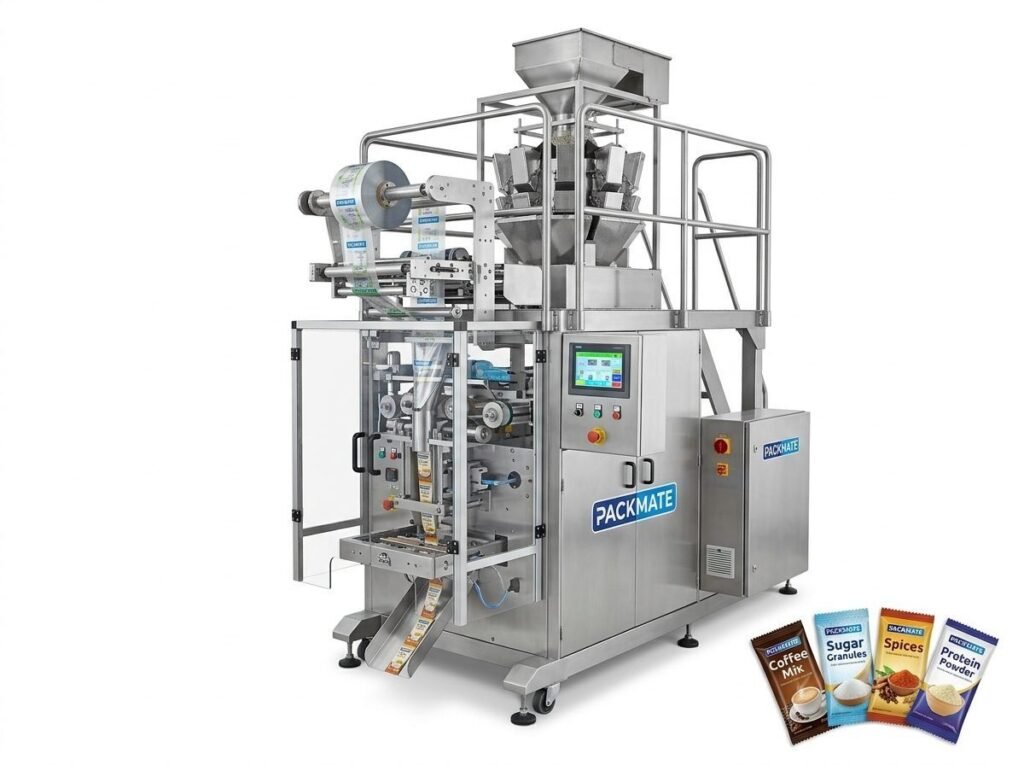
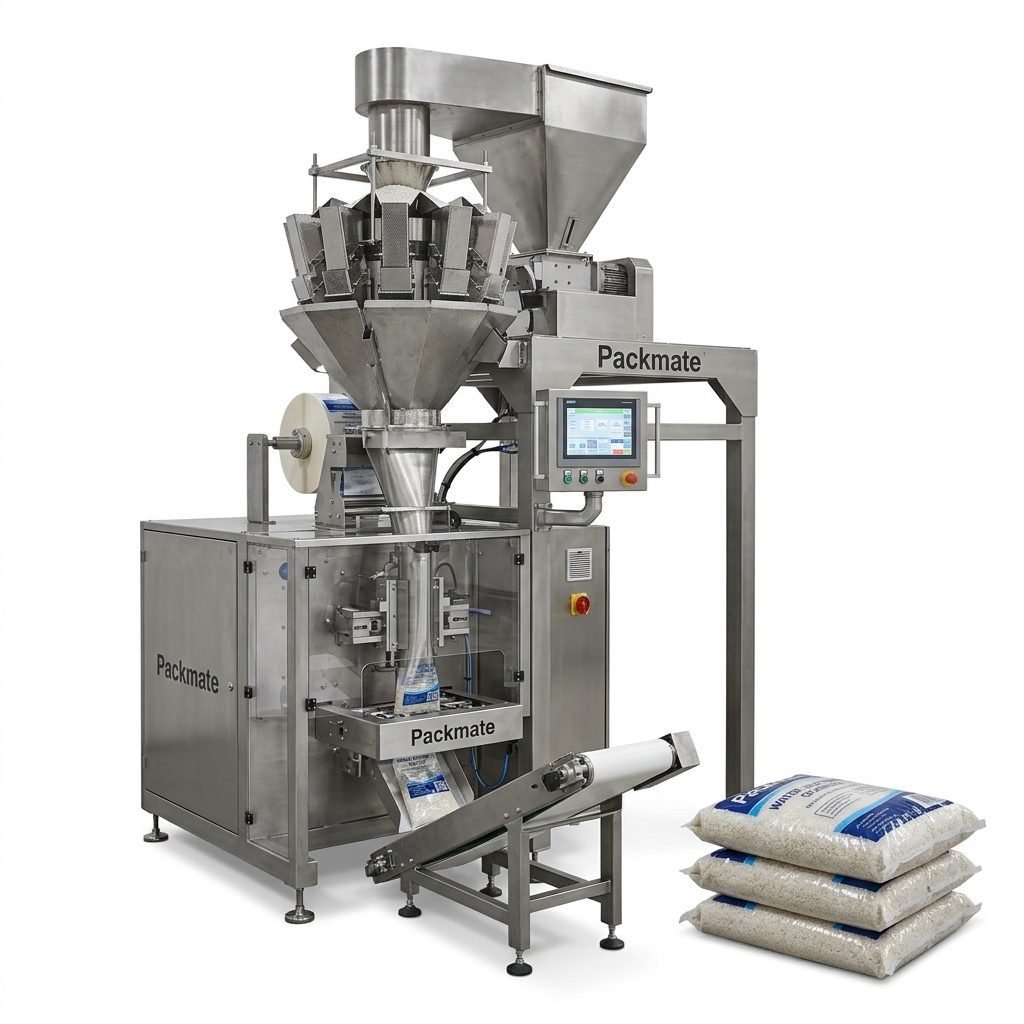
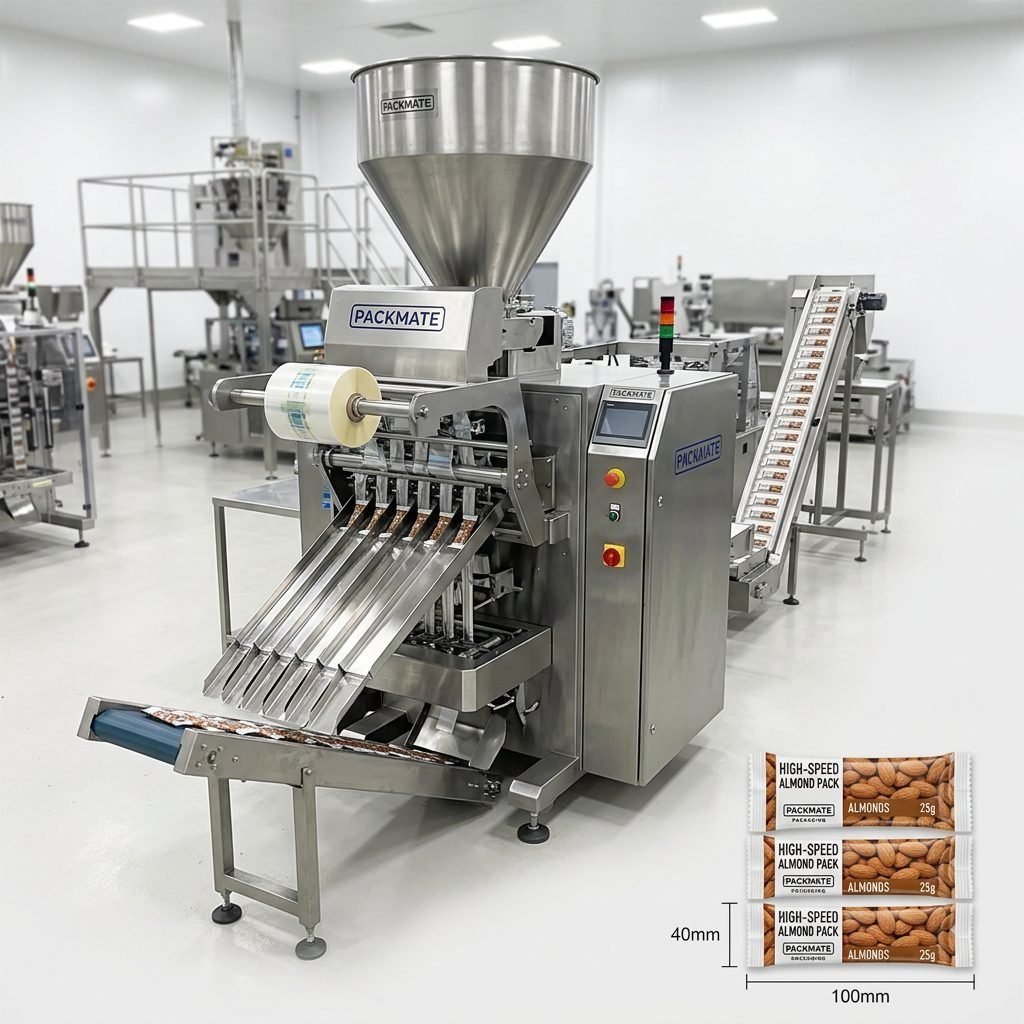
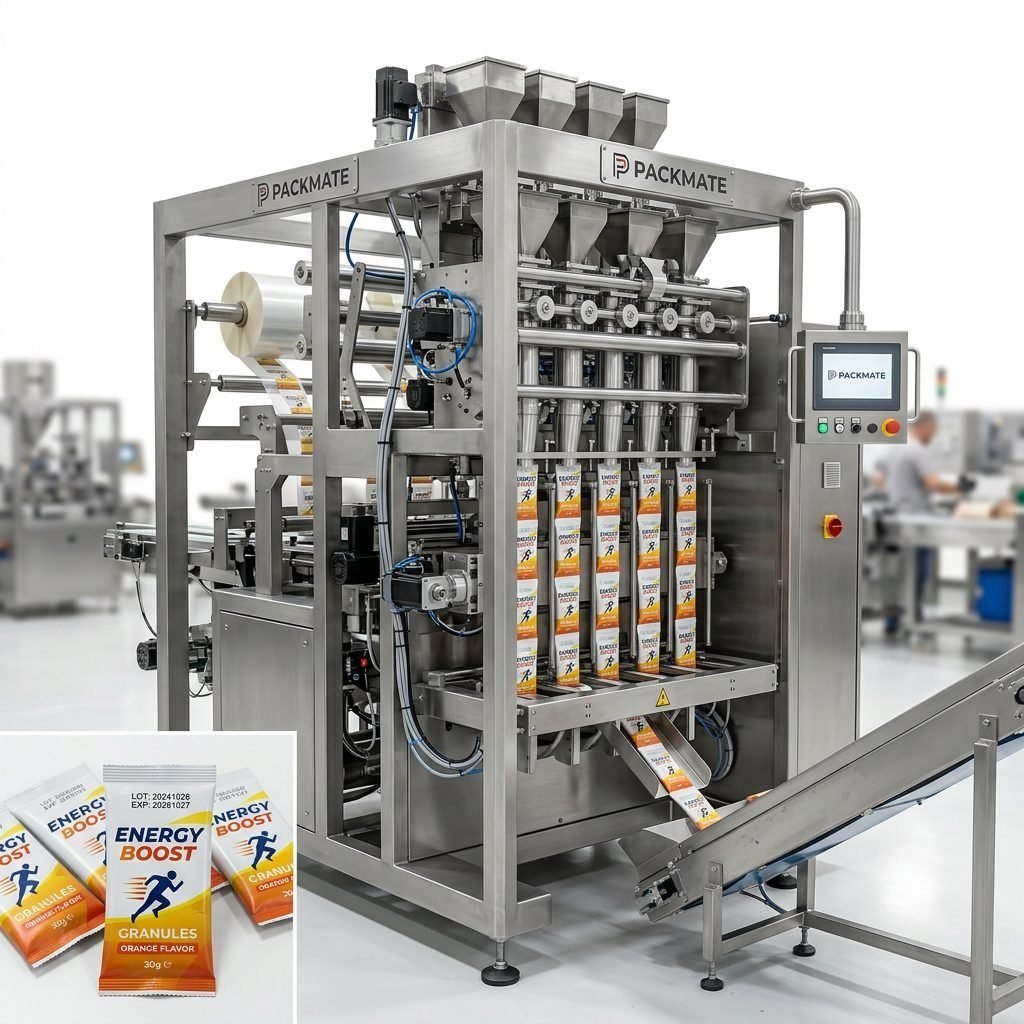
For businesses looking to scale, the modularity of these systems is a key consideration. Leading manufacturers, like Packmate Machinery, understand that a one-size-fits-all approach doesn’t work. They offer scalable solutions, from semi-automatic units for growing businesses to fully integrated, high-speed lines for global enterprises. Exploring their range of Filling & Packaging Lines can provide insights into how carton packing integrates into a broader automated system.
The Importance of Sealing Integrity
A box is only as good as its seal. Top carton packaging machines incorporate reliable sealing systems, typically using hot melt adhesive, pressure-sensitive tape, or a combination of both. The choice often depends on the box material, required seal strength, and operational cost. Hot melt systems provide a strong, instant bond ideal for heavy-duty shipping boxes, while tape systems offer a cleaner finish often preferred for retail-ready packaging. The best machines ensure consistent adhesive application or tape placement, creating uniform seals that withstand the rigors of logistics and handling, thereby protecting the product inside and reducing returns due to damage.
Driving Sustainability and Cost Savings
Modern carton packaging machines are powerful tools for promoting sustainability and controlling costs. By optimizing material usage—precisely forming boxes to the required dimensions and applying the exact amount of adhesive or tape—they significantly reduce corrugated board and consumable waste. This not only lowers material expenditure but also minimizes a company’s environmental footprint. Furthermore, efficient machines consume less energy per unit produced, contributing to lower operational costs. The long-term reliability of equipment from established providers, evidenced by their industry certifications and commitment to quality, translates into fewer breakdowns, less waste from production stoppages, and a better return on investment.
Adapting to Market Trends: E-commerce and Customization
The explosive growth of e-commerce has reshaped box production needs. Orders are smaller, more frequent, and require a wider variety of box sizes than traditional retail distribution. The top carton packaging machines for today’s market are those that offer extreme flexibility and quick changeover. The ability to switch from producing a small mailer box to a larger shipping case in minutes is a competitive advantage. Additionally, the demand for customized packaging—boxes printed with branding, instructions, or promotional offers—requires machines that can integrate smoothly with digital printing systems or handle pre-printed blanks with precision registration.
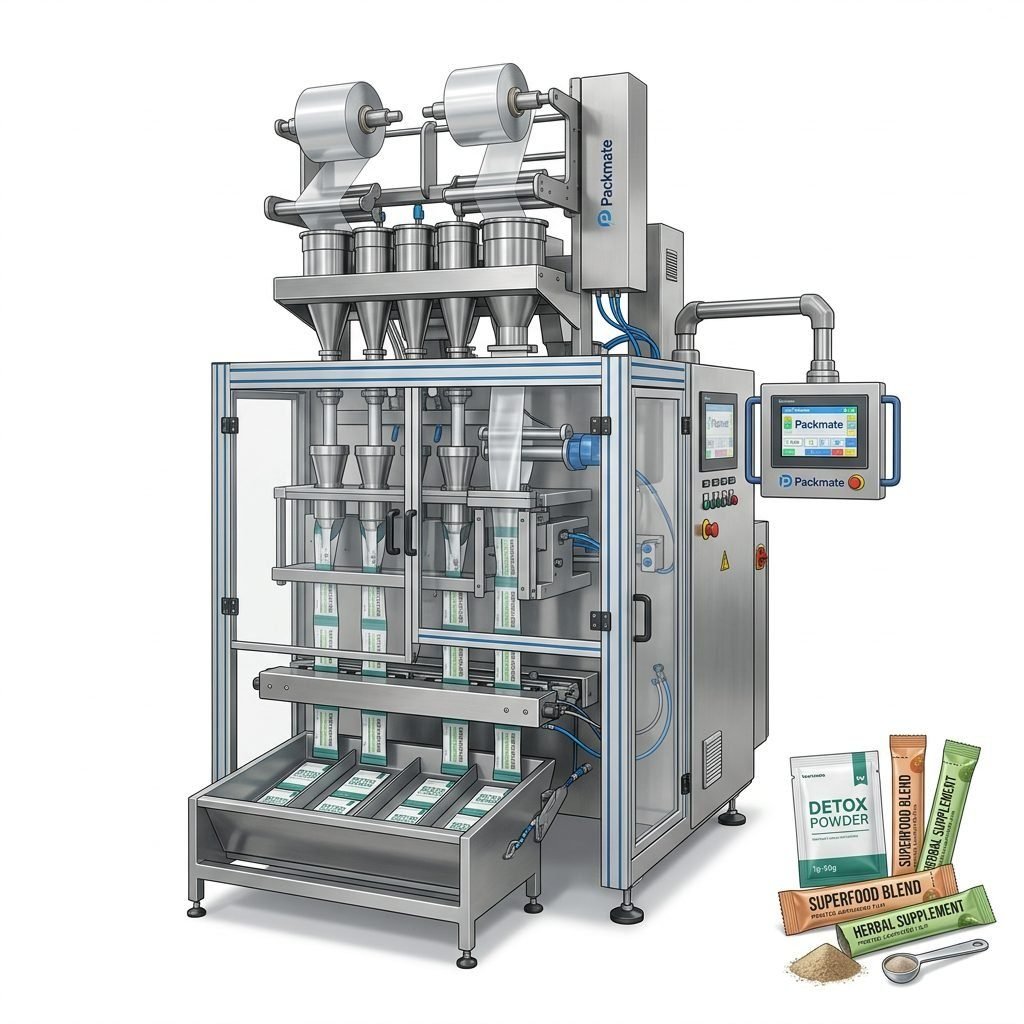
Staying ahead means partnering with innovators. Companies with a deep history of development, like Packmate Machinery with its 22+ years of evolution from a small workshop to a major manufacturer, are often at the forefront of these adaptable technologies. Their expertise in creating diverse solutions, from sachet packaging to complete cartoning lines, provides a holistic understanding of the packaging ecosystem.
Ensuring Long-Term Success: Service and Support
Investing in high-end machinery is only the first step. The availability of comprehensive after-sales service, technical support, and readily available spare parts is what guarantees long-term productivity and protects your investment. Before selecting a supplier, evaluate their global support network, training programs for your operators and maintenance staff, and their warranty terms. A supplier committed to partnership will offer remote diagnostics, on-site service engineers, and a clear roadmap for periodic maintenance. This level of support ensures your carton packaging line remains a reliable asset for years to come, adapting to future needs and technological upgrades.
For a closer look at real-world applications and solutions, reviewing a supplier’s project case studies can be invaluable. It demonstrates their capability to solve complex packaging challenges across different industries.
Final Considerations Before Investment
Choosing the right carton packaging machine requires a thorough analysis of your current and future needs. Consider your production volume, product range, box size variability, and floor space. Engage with potential suppliers for a detailed consultation, and if possible, request a product sample test run on their equipment. This hands-on evaluation is the best way to verify machine performance, output quality, and ease of operation. Remember, the goal is to find a machine that not only boosts today’s efficiency but also scales with your business growth tomorrow.
Frequently Asked Questions (FAQ)
What is the typical production speed range for an automatic carton erector?
Speeds vary significantly by model and box complexity. Entry-level machines may produce 15-25 boxes per minute (BPM), while high-speed, fully automated systems can achieve 60-100 BPM or more for standard RSC (Regular Slotted Container) boxes.
Can one machine handle many different box sizes?
Yes, most modern machines are designed for flexibility. Look for models with “quick-change” or “tool-less” adjustment systems that allow operators to switch between pre-set box size programs in under a few minutes, maximizing uptime.
What are the main differences between hot melt glue and tape sealing?
Hot melt glue creates a very strong, permanent bond and is excellent for heavy, stacked, or shipped boxes. Tape sealing (usually pressure-sensitive tape) offers a clean look, is often quieter, and can be easier for end-users to open, making it popular for retail consumer goods.
How important is machine integration with my existing production line?
Critical. A cartoner that cannot communicate with your upstream filler/capper or downstream labeler/conveyor creates bottlenecks. Ensure your chosen machine has standard communication protocols (like PLC connectivity) and that the supplier understands your full line requirements.
What kind of maintenance do these machines require?
Regular preventive maintenance is key. This typically includes daily cleaning, weekly checks of mechanical parts for wear, and periodic lubrication. The frequency and complexity depend on usage; a reputable supplier will provide a detailed maintenance schedule and training.