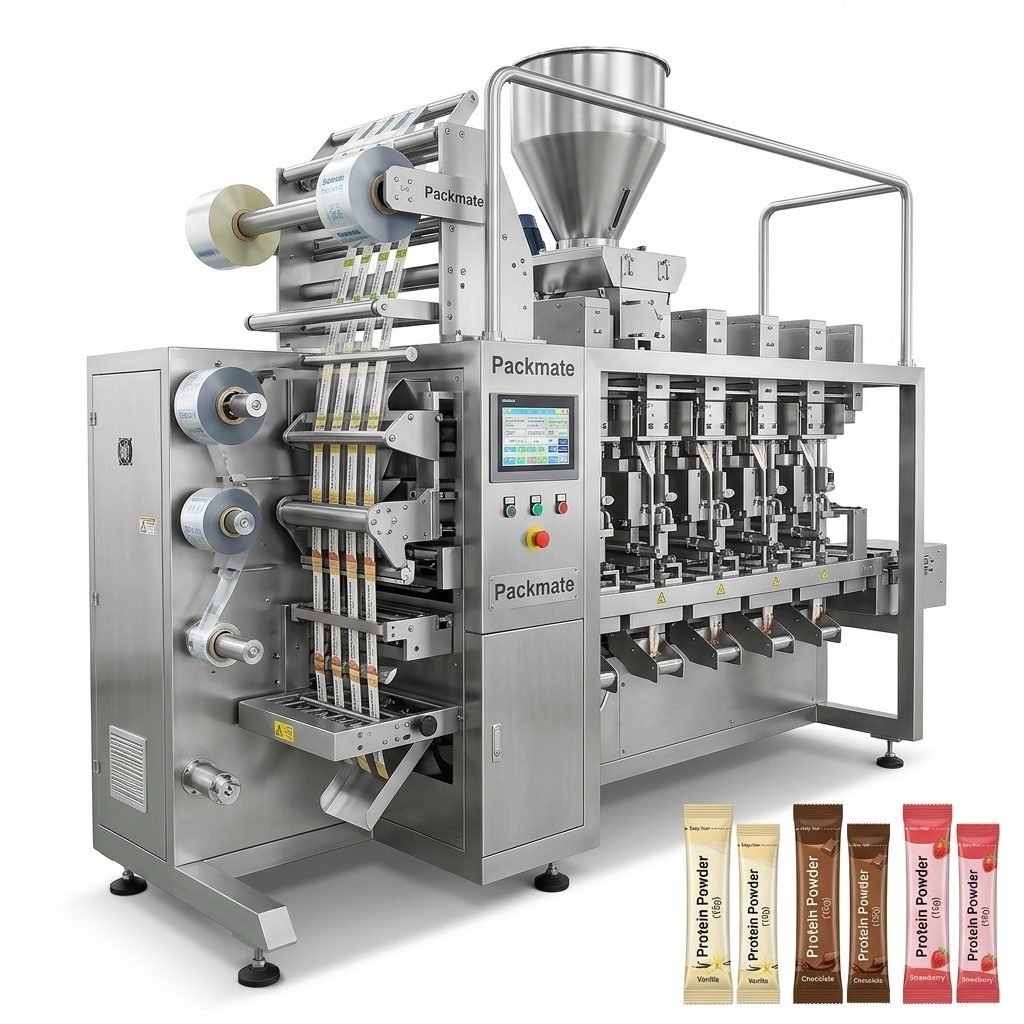
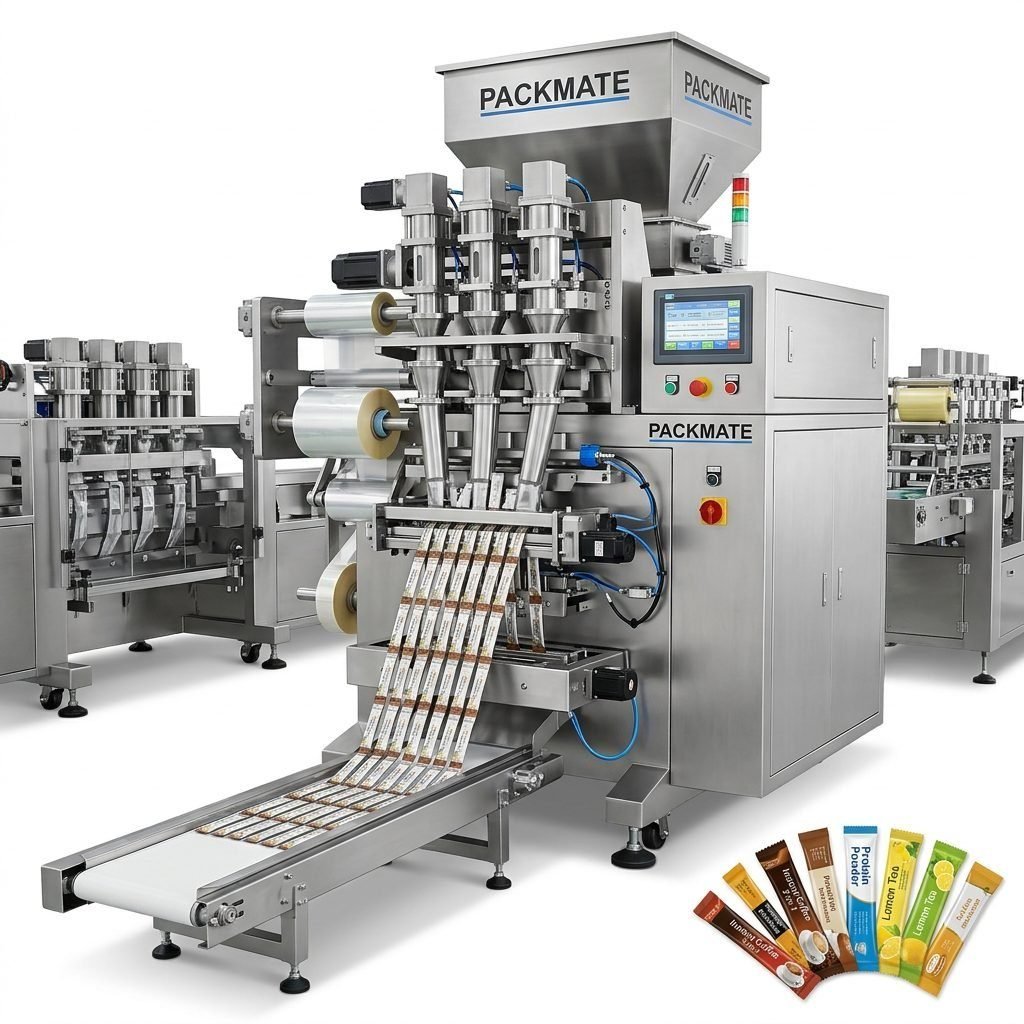
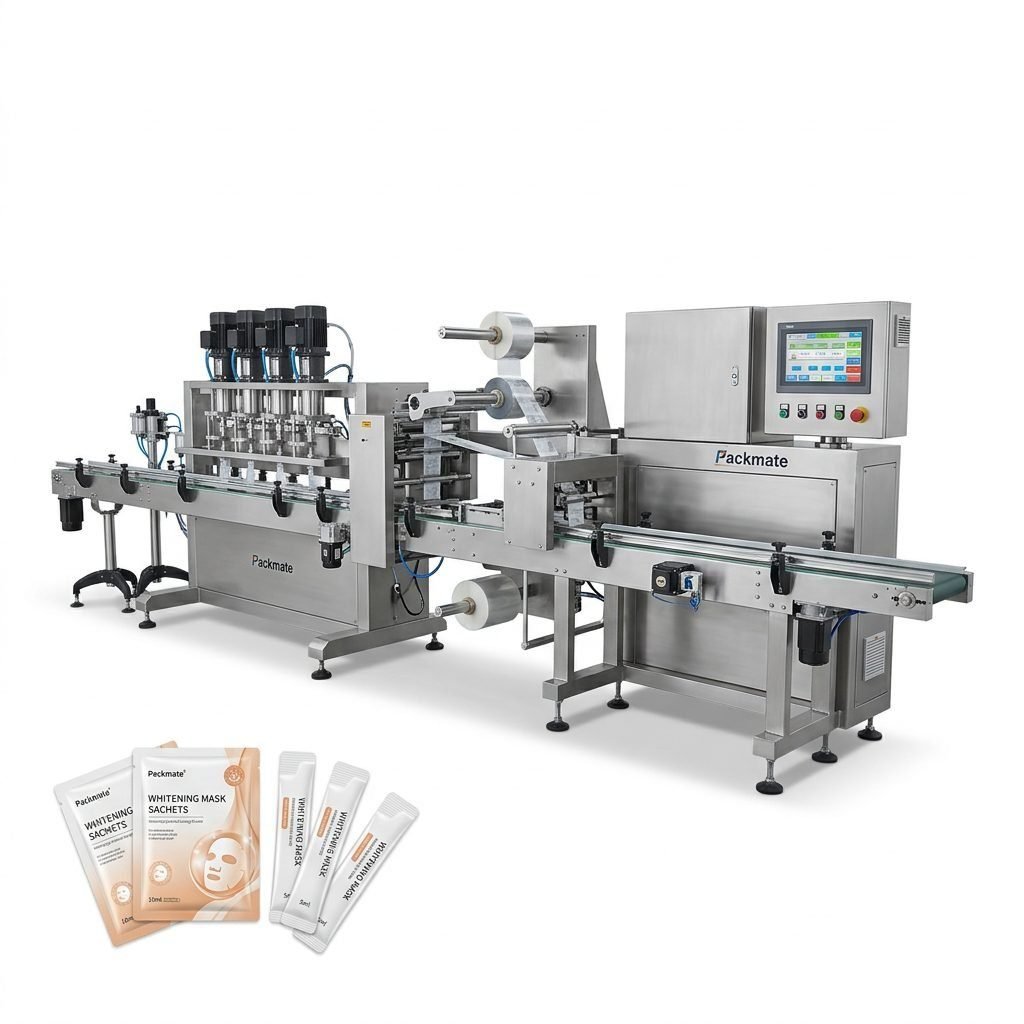
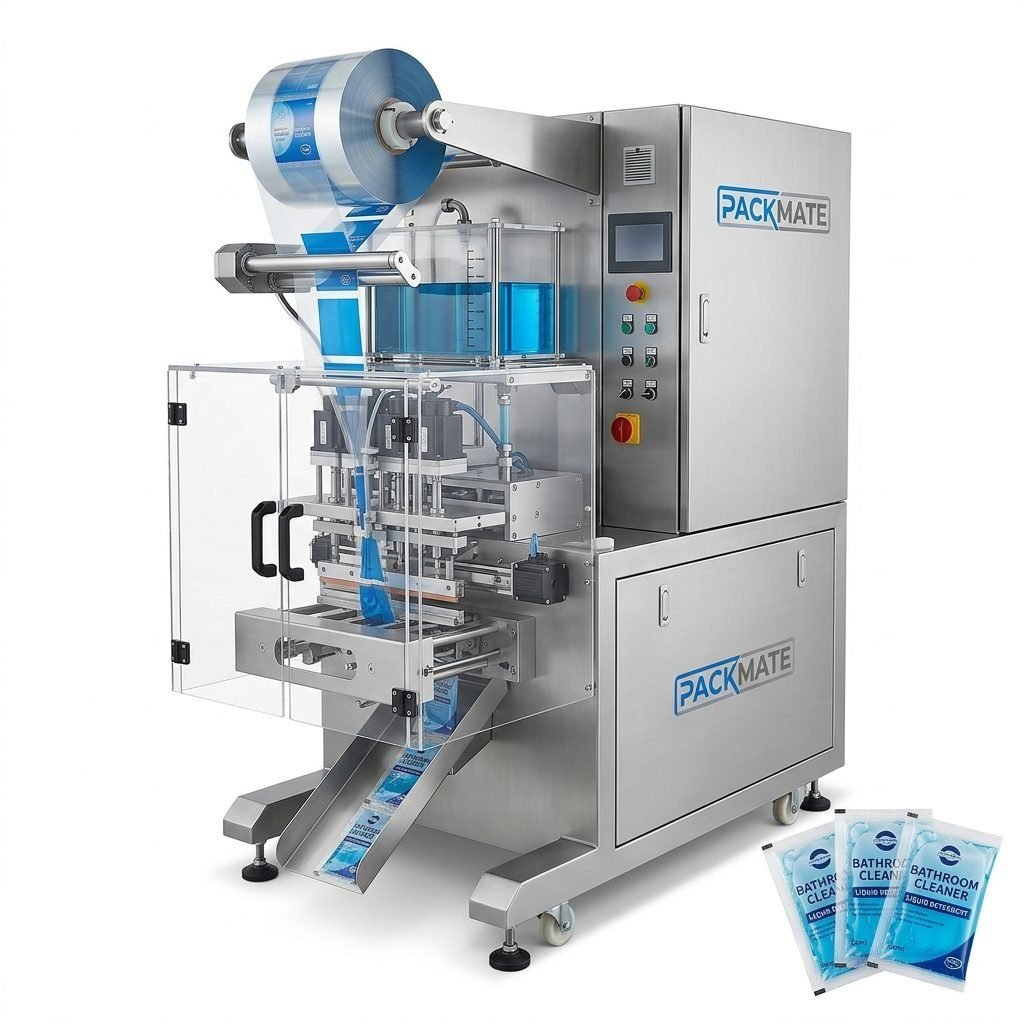
The pet food industry is experiencing unprecedented growth, driven by rising pet ownership and increasing demand for premium, specialized nutrition. In this competitive landscape, efficient production isn’t just a goal—it’s a necessity for survival and growth. The cornerstone of this efficiency lies in the packaging process. Investing in the right pet food packaging equipment can dramatically enhance your production line’s speed, accuracy, and reliability, directly impacting your bottom line and brand reputation.
The Critical Role of Packaging in Pet Food Production
Packaging is far more than just the final step in production; it is a vital component of product integrity, shelf life, and consumer appeal. For pet food, which often contains oils and fats prone to oxidation, effective packaging is the primary barrier against moisture, air, and contaminants. A failure in the packaging line can lead to costly product waste, recalls, and damage to consumer trust. Therefore, the equipment that forms, fills, and seals these protective barriers must be engineered for precision, hygiene, and relentless consistency.
Key Challenges in Pet Food Packaging
Producers face several unique hurdles:
Product Variety: From dry kibble and semi-moist chunks to powdered supplements and liquid toppers, the physical characteristics vary widely, requiring adaptable machinery.
Hygiene & Safety: Stringent food safety standards demand equipment that is easy to clean and prevents cross-contamination.
Speed vs. Accuracy: High-volume production must not come at the cost of incorrect fill weights, which leads to giveaways or regulatory non-compliance.
Packaging Formats: The market demands diverse formats, from small single-serve sachets and stick packs for treats and supplements to large stand-up pouches and bags for bulk dry food.
Core Equipment for a Streamlined Packaging Line
A complete, efficient packaging line is a symphony of integrated machines. Here are the essential components:
1. Weighing and Feeding Systems
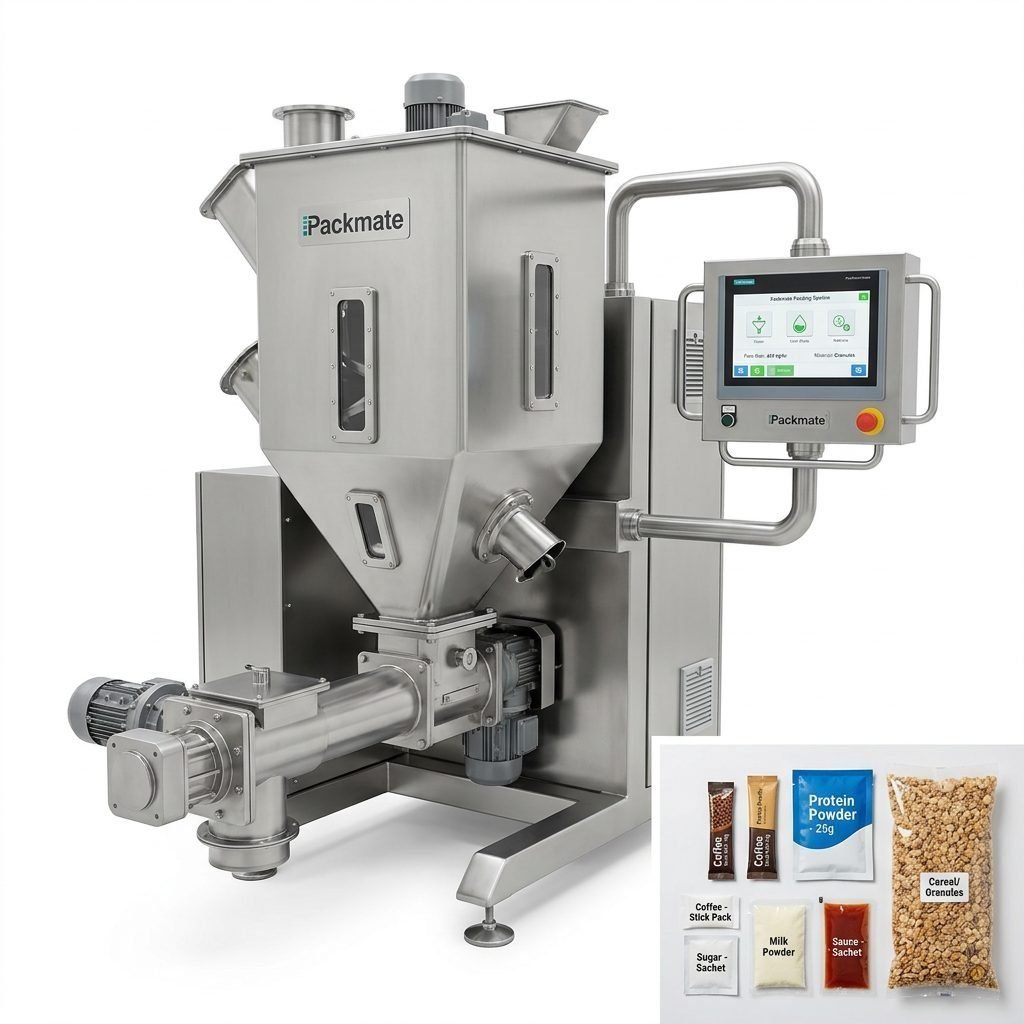
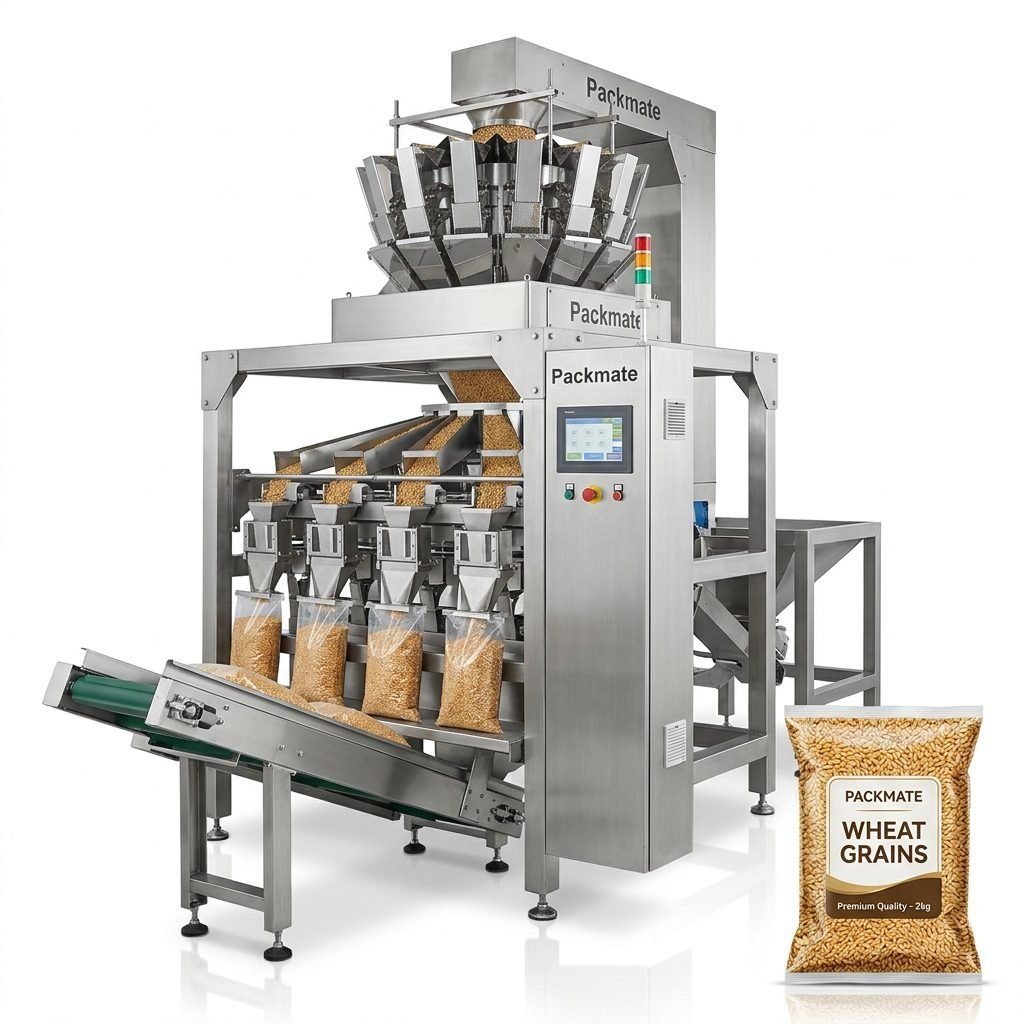
Accuracy begins here. Multi-head weighers and auger filler systems are critical for portion control. Advanced systems use precision load cells and intelligent software to ensure each bag contains the exact weight of product, minimizing giveaway and maximizing profit. For irregularly shaped kibble, gentle vibration and feeding mechanisms are essential to maintain accuracy without damaging the product.
2. Form-Fill-Seal (FFS) Machines
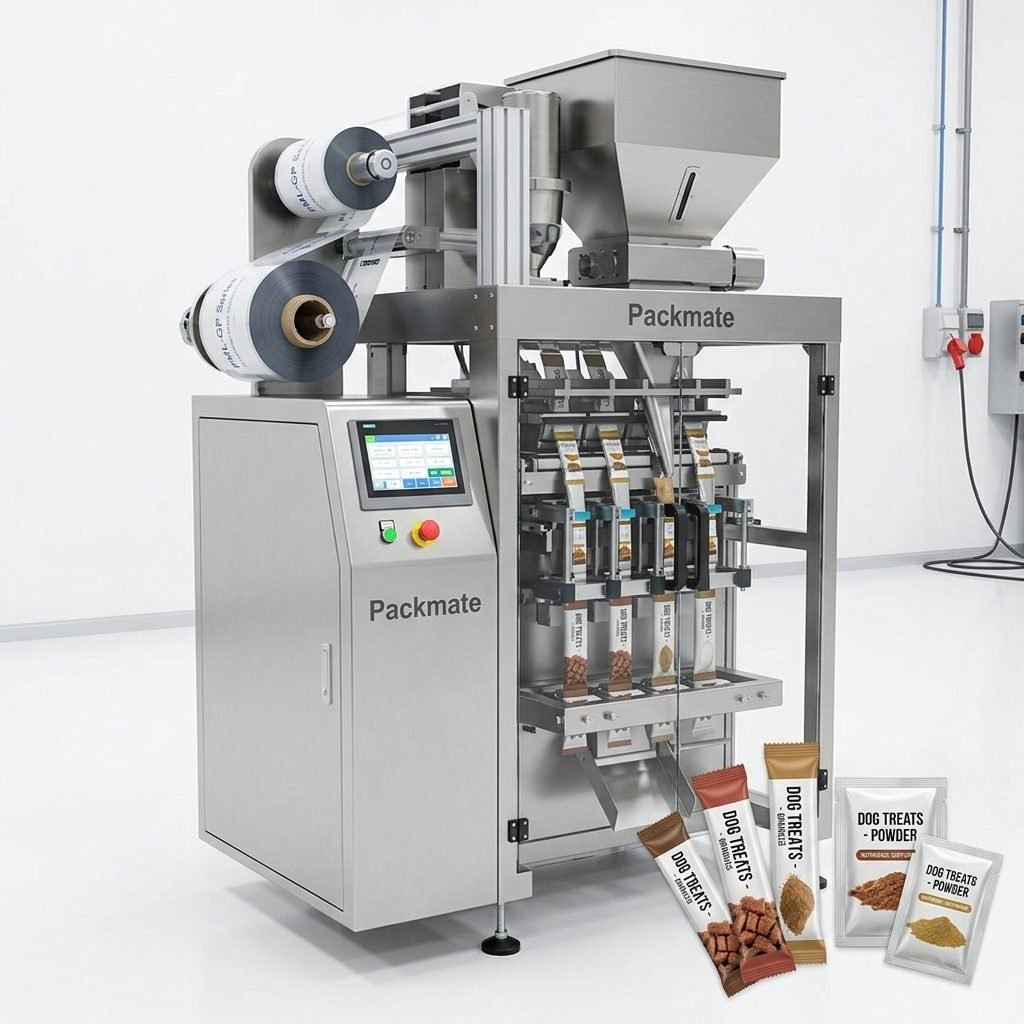
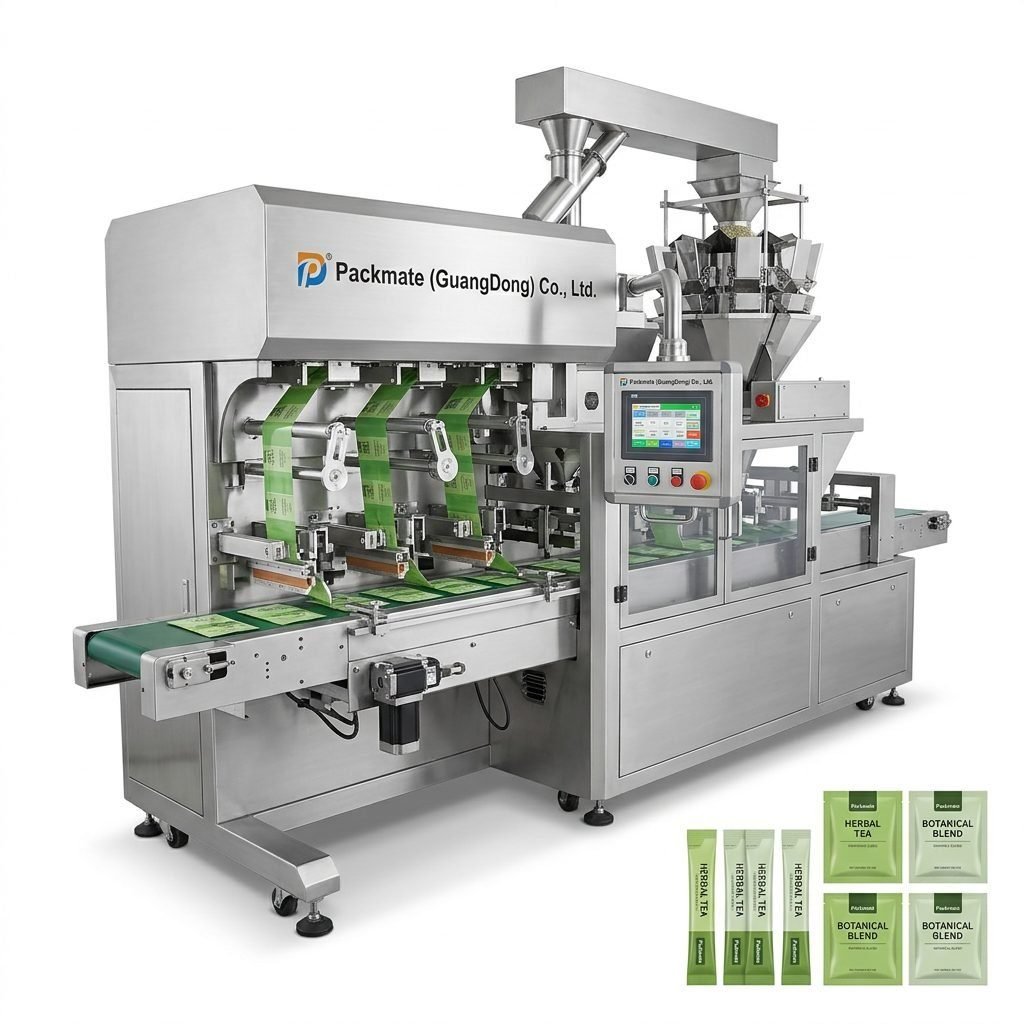
The workhorse of modern packaging. Vertical (VFFS) or horizontal (HFFS) form-fill-seal machines create the package from a roll of film, fill it with product, and seal it—all in one continuous operation. For pet food, VFFS machines are predominantly used for creating bags and pouches. Look for features like robust sealing jaws that can handle dust and minor product contamination, and easy film roll changeovers to reduce downtime.
3. Bagging and Pouch Packaging Machines
For pre-made bags or more complex pouch styles (like stand-up zipper pouches with degassing valves), automatic bagging machines are ideal. These machines automatically open, fill, and seal pre-formed bags at high speeds. They are perfect for premium product lines where packaging presentation is a key differentiator.
4. Ancillary and End-of-Line Equipment
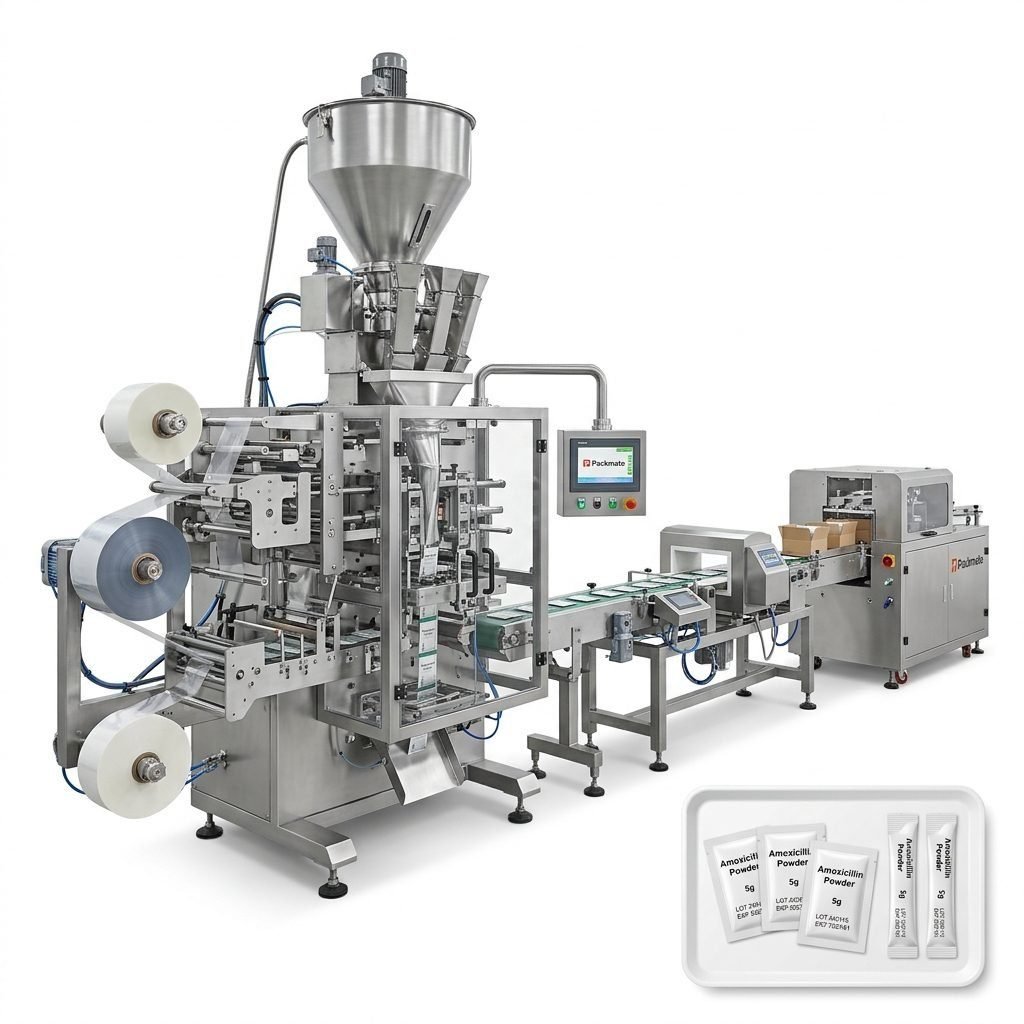
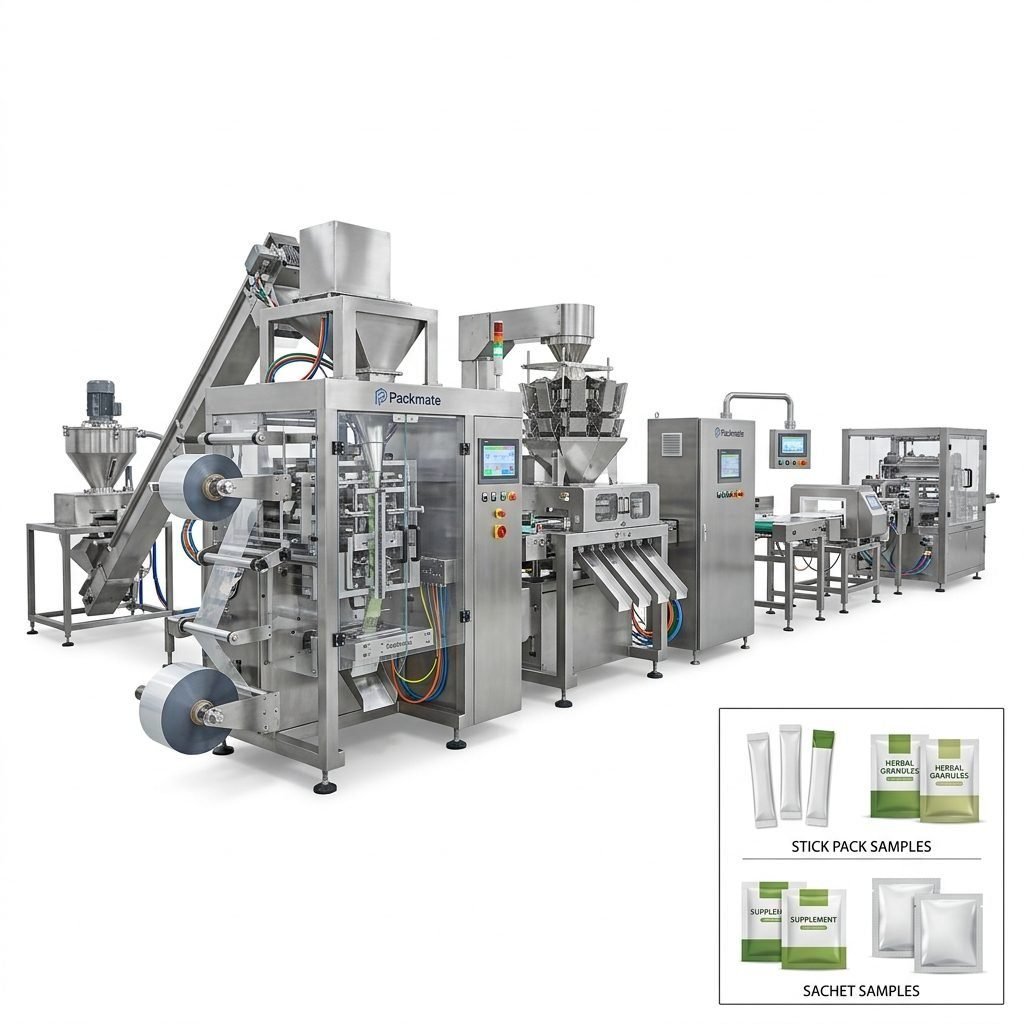
Efficiency extends beyond the primary packager. A full packaging line includes checkweighers to verify fill weight, metal detectors for safety, coders for printing batch/expiry dates, and cartoners or case packers for secondary packaging. Integrating these systems creates a seamless, automated flow from production to pallet.
The Packmate Advantage: Engineered for Efficiency
With over 30 years of expertise in packaging machinery, Packmate Machinery understands the precise demands of the pet food sector. Our solutions are built on a foundation of reliability and innovation. Operating from a modern 20,000㎡ facility in Guangdong, China, we design and manufacture equipment that addresses the core needs of pet food producers: hygiene, speed, accuracy, and versatility.
Our range includes specialized machines capable of handling the diverse textures of pet food, from fine powders to granular kibble. We focus on creating intelligent systems that minimize changeover time, reduce film waste, and integrate seamlessly with upstream and downstream processes. This turnkey approach, backed by a global service network, ensures our clients achieve the efficient production they need to thrive in a dynamic market.
Selecting the Right Solution for Your Operation
Choosing equipment is not a one-size-fits-all decision. Key considerations include:
Production Volume: Are you a boutique brand or a large-scale manufacturer? Your required speed (bags per minute) will dictate the machine’s capability level.
Product Characteristics: The size, shape, oiliness, and flowability of your product determine the ideal filling technology (auger, weigh cup, volumetric).
Packaging Material: The type of film or laminate you use (needed for barrier properties) must be compatible with the machine’s sealing system.
Future-Proofing: Consider scalability. Can the line handle new product formats or higher speeds with minimal modification?
Partnering with an experienced manufacturer like Packmate allows for a consultative approach. We analyze your specific needs to recommend and customize a solution that delivers optimal return on investment.
Conclusion: Packaging as a Strategic Asset
In the final analysis, pet food packaging equipment is a strategic production asset. The right solutions transform packaging from a cost center into a driver of efficiency, quality, and brand strength. By investing in reliable, precise, and adaptable machinery from a trusted partner, producers can ensure product integrity, meet soaring demand, and maintain a competitive edge. In an industry where margins and consumer expectations are always under pressure, an efficient packaging line is not just about wrapping a product—it’s about securing your business’s future.
Frequently Asked Questions (FAQs)
1. What types of pet food can your packaging machines handle?
Our equipment is highly versatile and can be configured to handle a wide range of pet food types, including dry kibble, semi-moist food, powdered supplements and meal toppers, freeze-dried raw pieces, and liquid or gel-based treats. The key is selecting the appropriate filling system (e.g., multi-head weigher for kibble, auger filler for powders, liquid pump for gels) integrated with the right form-fill-seal or bagging machine.
2. How do you ensure packaging hygiene and food safety compliance?
Hygiene is paramount. Our machines are designed with food-grade materials (like stainless steel contact parts) and feature smooth, crevice-free surfaces for easy cleaning and sanitization. We offer designs that minimize product accumulation zones. Furthermore, our machines can be integrated with metal detection and checkweighing systems to meet HACCP and other global food safety standards, providing a complete, compliant packaging solution.
3. Can one machine produce different bag sizes and styles?
Yes, most modern packaging machines, including our VFFS and bagging systems, are designed for quick changeover. This allows producers to switch between different bag lengths, widths, and styles (e.g., from a pillow bag to a gusseted bag) with minimal tooling changes and downtime. This flexibility is crucial for manufacturers producing multiple product lines or package sizes on the same equipment.
4. What kind of after-sales support and training do you provide?
We provide comprehensive global support. This includes detailed installation and operational training for your technicians at your facility. We also offer remote troubleshooting support, a readily available inventory of common spare parts, and on-site service from our trained engineers when needed. Our goal is to ensure your packaging line maintains peak performance and uptime. You can learn more about our commitment on our Service page.
5. How do I determine the right speed and capacity for my needs?
The required speed (output in bags per minute) depends on your total production volume, shift patterns, and future growth plans. We recommend a detailed analysis of your current and projected output. Our technical team can help you calculate this and recommend a machine that meets your capacity needs with some room for growth, ensuring you don’t under-invest or over-invest in equipment. Contacting us for a consultation is the best first step.