Investing in a shrink packaging machine is a significant decision for any business involved in packaging operations. The cost is a primary concern, but understanding the factors behind the price and comparing options is crucial for making an informed investment. This guide will break down the key cost drivers, provide a realistic price comparison across different machine types, and offer insights to help you find the best value for your specific needs.
Key Factors Influencing Shrink Packaging Machine Cost
The price of a shrink packaging machine is not a one-size-fits-all figure. It varies dramatically based on several core factors that directly impact its capabilities, speed, and longevity.
1. Automation Level and Production Speed
The degree of automation is the most significant cost driver. Manual or semi-automatic L-sealers are the most affordable entry point, suitable for low-volume operations. As you move up to fully automatic machines with integrated conveyors, automatic film feeding, and sealing systems, the price increases substantially. High-speed automatic machines, often used in large-scale production lines, command the highest prices due to their complex engineering and ability to handle hundreds of packages per minute.
2. Machine Type and Configuration
Different machine types serve different purposes. A simple sleeve wrapper will cost less than a sophisticated shrink tunnel with precise temperature controls. Furthermore, multi-functional machines that combine wrapping, sealing, and shrinking in one unit are more expensive than standalone components. The configuration, such as the size of the sealing bar or the tunnel dimensions to accommodate your products, also directly affects the cost.
3. Build Quality and Durability
This is where long-term value is determined. Machines built with high-grade stainless steel, commercial-grade components, and precision engineering have a higher initial cost but offer superior durability, minimal downtime, and consistent performance over decades. Opting for a cheaper machine with lower-quality materials often leads to higher maintenance costs and shorter machine life, making it a more expensive choice in the long run.
4. Brand Reputation and Technical Support
Established brands with a proven track record, like Packmate Machinery, often price their machines to reflect their expertise, reliability, and the comprehensive support they provide. This includes access to spare parts, detailed technical documentation, and responsive customer service. This support network is invaluable for maintaining operational efficiency and is a critical part of the total cost of ownership.
Shrink Packaging Machine Price Comparison Guide
Below is a general price range comparison to give you a ballpark figure. Remember, these are estimates, and final quotes will depend on your specific requirements and customizations.
Understanding “Hidden” and Ongoing Costs
The machine’s purchase price is just the beginning. A savvy buyer must budget for the total cost of ownership:
- Shrink Film & Consumables: The type and quality of film used will be a recurring operational cost.
- Installation & Training: Professional setup and operator training ensure optimal performance and safety.
- Maintenance & Spare Parts: Regular servicing and the availability of affordable spare parts are crucial. A reliable supplier mitigates this risk.
- Energy Consumption: The power requirements of the heater elements in the shrink tunnel contribute to utility costs.
Maximizing Your Investment: Tips for Buyers
To ensure you get the best machine for your budget, follow these practical steps:
Actionable Buying Checklist
1. Define Your Needs Precisely: Calculate your required output (packages per minute), product dimensions, and film type. This prevents overbuying or underbuying.
2. Prioritize Quality and Support: Choose a manufacturer known for robust construction and excellent after-sales service. Investigate their case studies and client history to gauge real-world performance.
3. Request Detailed Quotes: Compare quotes that include not just the base machine, but also installation, training, warranty terms, and estimated spare parts costs.
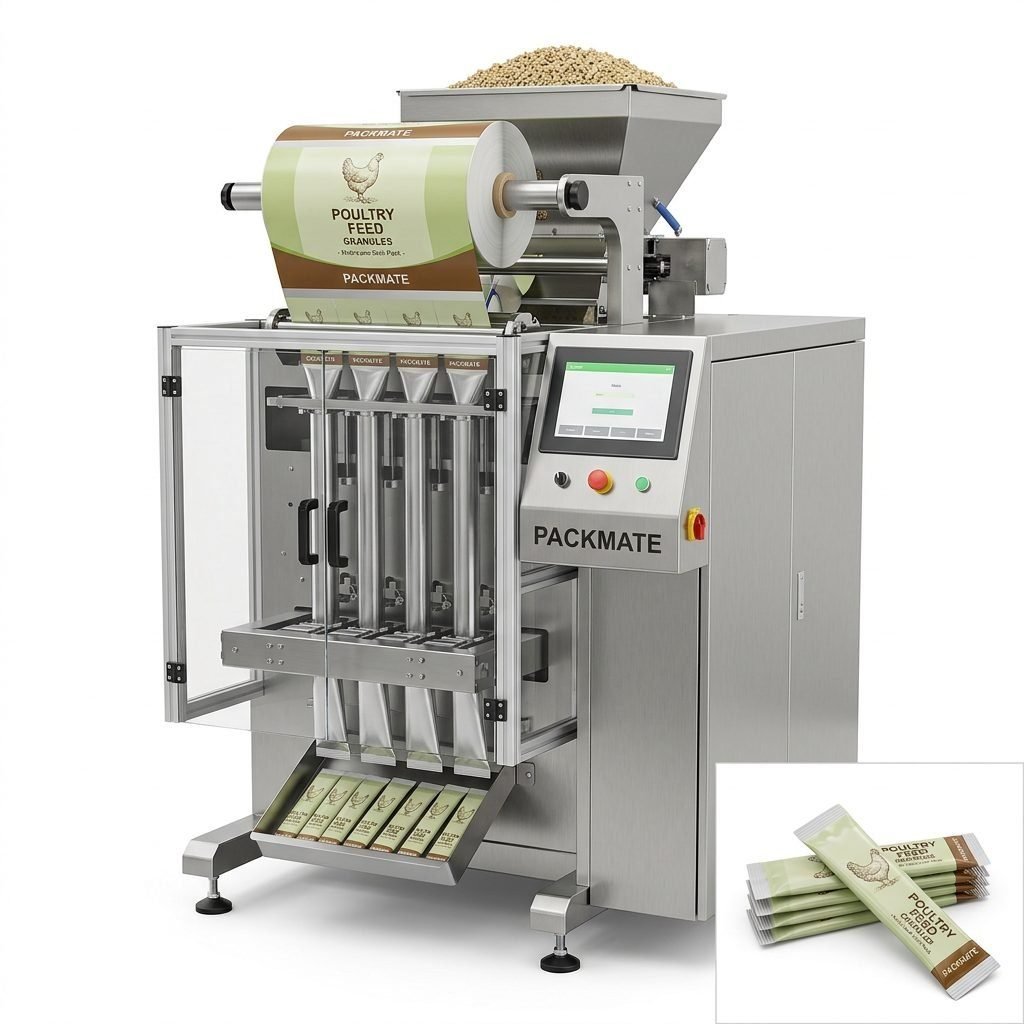
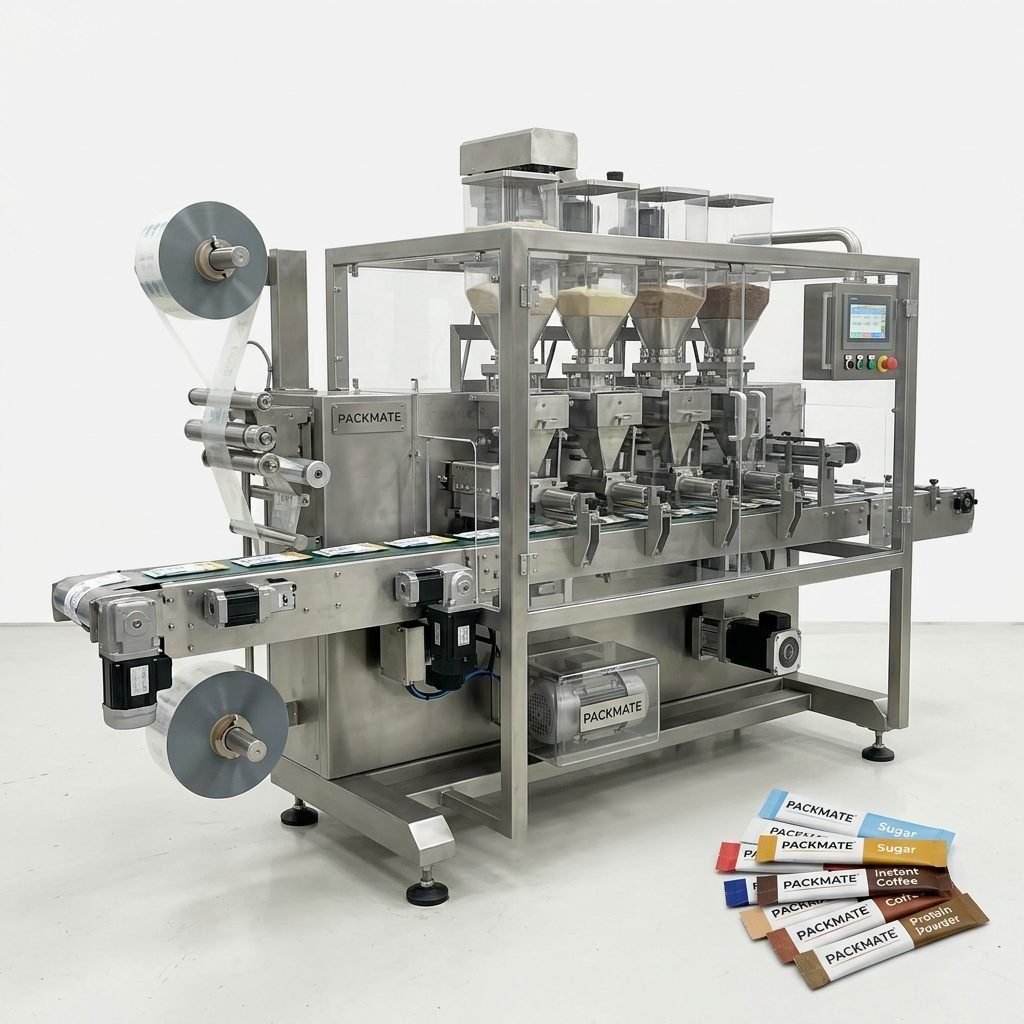
4. Consider Future-Proofing: If you anticipate growth, investing in a slightly more capable machine now can save you from a costly upgrade later. For specialized needs, such as packaging powders or granules, looking at dedicated sachet and stick pack machines might be more efficient.
Frequently Asked Questions (FAQs)
What is the typical lifespan of a quality shrink packaging machine?
A well-maintained machine from a reputable manufacturer can last 10 to 20 years or more. Durability hinges on build quality, operational environment, and adherence to a regular maintenance schedule.
Can one machine handle multiple product sizes?
Many semi-automatic and automatic machines are designed with adjustable components, such as sealing bars and conveyor guides, to accommodate a range of product sizes. However, significant size changes may require tooling adjustments or changeover parts.
How important is after-sales service when purchasing?
Extremely important. Responsive technical support, availability of spare parts, and access to service technicians are critical for minimizing downtime, which directly protects your productivity and profitability.
Are there significant differences in operating costs between machine types?
Yes. Fully automatic lines are more energy-intensive and may require more expensive films optimized for high speed. However, their labor cost per unit is vastly lower. The optimal choice balances your operational scale with these ongoing expenses.
Should I buy a new or used shrink wrapper?
A used machine can be a cost-effective solution for a proven, simple model if it comes from a reliable source and has been well-maintained. For complex, high-speed automatic systems, buying new from the manufacturer is generally recommended to ensure warranty, latest technology, and full support.